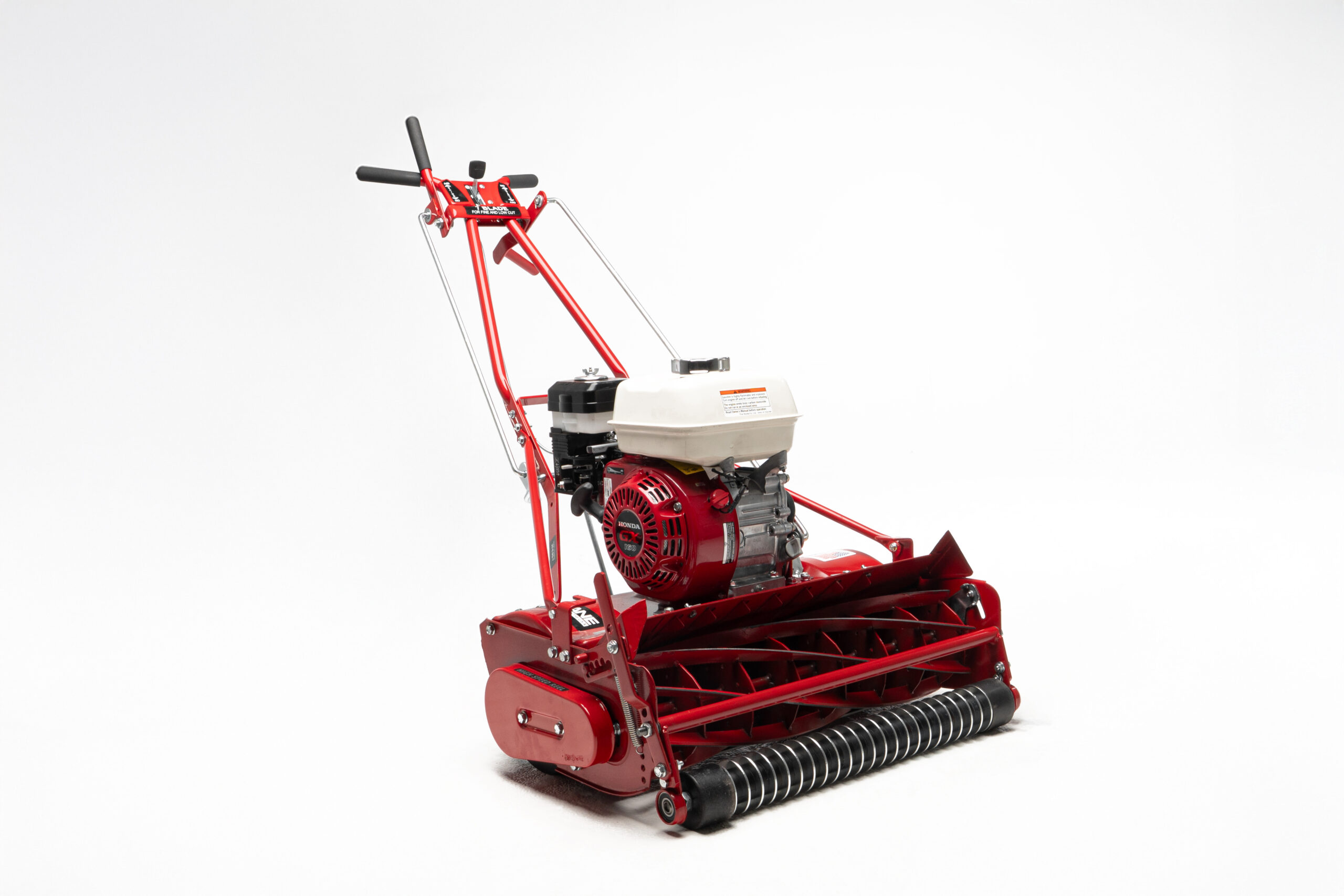
Unleash New Power: Why Upgrading Your McLane Mower from 3HP to 6.5HP is a Game-Changer
For decades, McLane reel mowers have been the gold standard for achieving that pristine, golf-course quality lawn. Renowned for their robust construction and superior cut, many McLane units have faithfully served homeowners for 30, 40, or even 50 years. While the frames, reels, and bed knives of these machines are built to last, the heart of any mower—its engine—eventually shows its age. If you're grappling with a tired, underpowered, or perpetually problematic 3HP engine on your beloved McLane, it might be time to consider a transformative power boost. Upgrading to a modern 6.5HP engine isn't just a repair; it's an investment that revitalizes your mower, enhances its performance, and dramatically improves your lawn care experience, ensuring a smooth cut across every mower lane.
This comprehensive guide will walk you through the compelling reasons, practical steps, and invaluable insights into performing a motor swap that breathes new life into your classic McLane. Forget the frustration of an old engine sputtering through thick grass; imagine the effortless power of a modern motor propelling your McLane with renewed vigor.
The Compelling Case for an Engine Upgrade
When an old engine starts failing—be it a faulty recoil starter, persistent carburetor issues, or simply a lack of power—the natural inclination might be to repair it. However, for vintage engines like the 30+ year old Briggs & Stratton units commonly found on older McLanes, repairs often lead down a path of diminishing returns. Here’s why an upgrade makes more sense:
- Availability and Cost of Parts: Original parts for antique engines can be scarce and expensive. Modern engines, on the other hand, have readily available and often more affordable components, should future maintenance be required.
- Performance Enhancement: The jump from 3 horsepower to 6.5 horsepower is monumental. This isn't just a marginal improvement; it's a dramatic increase in torque and cutting power. Your mower will no longer bog down in taller or damp grass, maintaining consistent reel speed for a superior cut.
- Reliability and Longevity: A brand-new engine offers a fresh start. You'll benefit from modern engineering, improved fuel efficiency, and significantly reduced maintenance hassles compared to continually nursing an ailing antique.
- Economic Sense: A new McLane reel mower can cost thousands of dollars. As one enthusiast discovered, a full motor replacement can be a sub-$200 investment, turning your old workhorse into a "like-new" machine for a fraction of the price. This cost-effectiveness makes an engine swap a smart financial decision, especially in a period of rising equipment costs.
- Operator Experience: The added power means less effort for you. The mower will move more confidently, requiring less pushing and less stress, allowing you to focus on achieving that perfect stripe across your lawn.
Choosing the Right Replacement Engine: Key Considerations
The success of your engine swap hinges on selecting the appropriate replacement. While the reference context highlights a specific motor that worked, understanding the general principles will help you make an informed choice for your McLane model. Common brands include Briggs & Stratton, Honda, Kohler, and even more budget-friendly options like Predator engines from Harbor Freight.
Essential Engine Specifications to Match:
- Shaft Diameter and Length: This is paramount. Your existing drive pulley must fit securely onto the new engine's crankshaft. McLane mowers typically use horizontal shaft engines. Measure your current shaft diameter (e.g., 3/4 inch or 7/8 inch) and length (e.g., 2-7/16 inches or 2-5/16 inches) carefully.
- Mounting Bolt Pattern: Ideally, the new engine's mounting holes will align perfectly with your McLane's frame. However, some minor drilling or the use of adapter plates might be necessary. The reference example indicates that even with a near-fit, some adjustments like trimming a bolt were needed.
- Horsepower (HP): While upgrading from 3HP to 6.5HP is the goal, ensure the engine's physical size isn't drastically different. A larger HP engine often means a larger physical footprint.
- Exhaust and Air Cleaner Clearance: This was a critical issue in the reference example. The new engine's air cleaner hit a bar on the McLane frame, necessitating a 1/2-inch spacer. Always check potential interference points before committing to a purchase.
- Engine Orientation: Ensure you purchase a horizontal shaft engine, as McLane reel mowers are designed for this configuration.
- Control Compatibility: Consider how the new engine's throttle and choke controls will integrate with your existing setup. Some minor modifications to linkage might be required.
Online forums and community groups dedicated to McLane mowers are invaluable resources for specific engine recommendations and tips from those who have successfully completed similar swaps. Don't hesitate to consult them!
The DIY Motor Swap: A Step-by-Step Guide with Insights
Replacing your McLane's engine is a rewarding DIY project that can be completed over a weekend. While the specific motor in the reference required certain modifications, these steps provide a general roadmap and highlight common challenges.
1. Preparation and Safety First
- Gather Tools: You'll need wrenches, sockets, screwdrivers, a sturdy vice (optional but helpful), potentially a grinder or hacksaw, drill, and new hardware (bolts, nuts, washers).
- Drain Fluids: Safely drain all fuel from the tank and oil from the crankcase of the old engine.
- Disconnect Spark Plug: Always remove the spark plug wire to prevent accidental starting during work.
- Document: Take photos of how the old engine is mounted and how belts and cables are connected. This will be invaluable during reassembly.
2. Removing the Old Engine
- Disconnect Controls: Detach the throttle cable and any other linkages connecting the engine to the mower's controls.
- Remove Belt: Loosen any tensioners and remove the drive belt from the engine pulley.
- Unbolt Engine: Carefully remove the mounting bolts securing the old engine to the frame.
- Lift Out: Once all connections are severed and bolts removed, lift the old engine off the frame. Be mindful of its weight.
For more detailed step-by-step guidance on engine removal and replacement, check out our companion article: McLane Reel Mower Motor Replacement: DIY Guide & Tips.
3. Installing the New Engine: Tackling Common Challenges
This is where the insights from the reference context become crucial, as modern engines often differ slightly from their antique counterparts.
- Mounting Bolts: The reference used 2.5-inch bolts for mounting. You might need to experiment with bolt lengths to find what works best with your new engine and any spacers. Remember the note about the drive-side back bolt needing to be trimmed to about 1.9 inches and tapped in—this highlights the potential for minor frame or engine casing interference.
- Raising the Motor (Pulley/Clutch Engagement): A common issue is the new engine's pulley sitting too low, causing the clutch to engage prematurely or improperly. The solution used was raising the motor "just over 1/2 inch with two nuts and a washer" instead of eight washers for easier installation. This creates the necessary clearance.
- Spacer for Air Cleaner Clearance: As noted, if the new engine's air cleaner assembly hits a frame bar, a spacer of approximately 1/2 inch will be needed, along with a correspondingly longer bolt for that specific mounting point. This prevents the air cleaner from being crushed or the engine from sitting crooked.
- Belt Fitment: The stock 1/2" x 19.5" belt should work, but you'll likely need to adjust the clutch rod to ensure proper tension and engagement. Test this thoroughly before operating the mower under load.
- Reconnecting Controls: Attach the throttle cable and ensure it operates smoothly, providing full throttle and idle control.
4. The Infamous Shroud Reinstallation
The reference states, "Worst part of the whole thing was getting the shroud that goes around the reel back on." This is a common frustration point for many McLane owners. These shrouds often fit very tightly and require careful manipulation. Tip: Take your time, ensure all internal components are correctly positioned, and use gentle, even pressure. Sometimes, slightly loosening other bolts on adjacent components can give you the wiggle room needed.
5. First Start-Up and Testing
Once everything is bolted down, connected, and the shroud is back on:
- Add fresh oil to the correct level.
- Fill the fuel tank with fresh gasoline.
- Reconnect the spark plug wire.
- Follow the new engine's starting procedure (choke, throttle).
The reference user's engine "fired on the second pull," a testament to a successful swap. Listen for any unusual noises, check for leaks, and test the clutch engagement. Start with light loads before tackling your full lawn.
The Impact: A True Power Boost for Your Lawn Care Lane
The difference between a 3HP and a 6.5HP engine on a McLane reel mower is immediately noticeable. As the reference enthusiastically described, going from an old, struggling motor to a powerful new one is a "huge difference."
- Effortless Cutting: No more bogging down. The new engine "didn't even bat an eye" when plowing through wet, 5-day-old grass. This means you can cut quickly and efficiently, even when conditions aren't ideal.
- Superior Cut Quality: Consistent reel speed, even in challenging conditions, leads to a cleaner, more precise cut and that coveted striped look. Your lawn will look impeccably manicured.
- Increased Efficiency: You'll likely finish mowing faster with less strain on both you and the machine.
- Enhanced Stability: The reference noted the new motor was "quite a bit heavier too. So that's a plus." This added weight can provide better traction and stability for the mower, especially on slopes or uneven terrain.
This isn't just a repair; it's a profound upgrade that transforms your mowing experience and extends the functional life of your cherished McLane for many more years of pristine lawn care.
Revitalizing Your McLane: A Cost-Effective Investment
The sub-$200 investment mentioned in the reference for the engine swap is truly remarkable when you consider the alternative cost of a new reel mower. By choosing to upgrade, you're not just fixing a problem; you're significantly enhancing your equipment for minimal outlay. This kind of value proposition is rare in today's market, providing a clear path to revitalized lawn care without breaking the bank. For more on how to achieve this transformation affordably, read our dedicated article: Revitalize Your Old McLane Mower for Under $200: Motor Swap.
The pride of successfully completing such a project, coupled with the joy of using a mower that feels "like a brand new" machine, makes this upgrade well worth the effort. It's a testament to the enduring quality of McLane mowers and the ingenuity of their owners to keep these iconic machines performing at their peak.